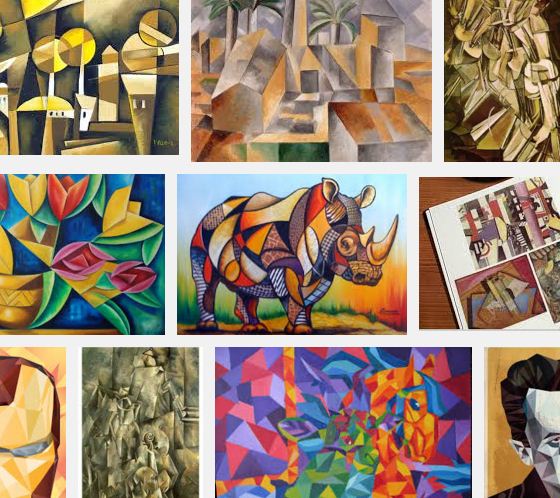
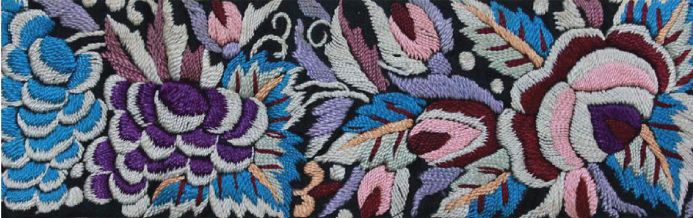
The following are the categories of prints:
Toile Prints

1. Engraved scenic designs.
2. Printed in one color
3. Always printed on white or off white background.
4. Layouts are predominantly all-over and stripes.
Liberty Prints

1. Found in small to medium sized prints.
2. Dominantly floral motifs
3. Stripes, tossed or all-over
Geometric Prints

1. Made with circles, squares, triangles, spirals and stars.
Botanical Prints

Botanical motifs
Dot Prints

Art Nouveau Prints

Floral Prints

Scenic or Landscape Print

Motif Print

1. Motifs are simply repeated
2. Have a graphic and illustrative look
Animal Print

1. Mimic animal skins
Nautical Prints

Folklore Design

Patchwork Prints

Script Print

Oriental Print

- Inspiration from Asian countries like China, Japan, Indonesia, Thailand, Tibet, Bhutan, Mongolia
Conversational Print

- People, birds and animals
- These prints convey and communicate
Victorian Prints

- Elaborate and ornamental
- motifs inspired from nature.
- forms such as pomegranate, stylized leaves,
- Greek mythology
- Roses
Pucci Prints

- psychedelic and abstract in multicolors
- along with geometric shapes there are swirls, circles and organic shapes
Country Inspired Prints

Graphic Prints

- Minimalist
- Bold colors
- Not very intricate
- Simple Motifs
Buy my books at Amazon.com
Toile Prints

2. Printed in one color
3. Always printed on white or off white background.
4. Layouts are predominantly all-over and stripes.
Liberty Prints

1. Found in small to medium sized prints.
2. Dominantly floral motifs
3. Stripes, tossed or all-over
Geometric Prints

1. Made with circles, squares, triangles, spirals and stars.
Botanical Prints

Botanical motifs
Dot Prints

Art Nouveau Prints

Floral Prints

Scenic or Landscape Print

Motif Print

1. Motifs are simply repeated
2. Have a graphic and illustrative look
Animal Print

1. Mimic animal skins
Nautical Prints

Folklore Design

Patchwork Prints

Script Print

Oriental Print

- Inspiration from Asian countries like China, Japan, Indonesia, Thailand, Tibet, Bhutan, Mongolia
Conversational Print

- People, birds and animals
- These prints convey and communicate
Victorian Prints

- Elaborate and ornamental
- motifs inspired from nature.
- forms such as pomegranate, stylized leaves,
- Greek mythology
- Roses
Pucci Prints

- psychedelic and abstract in multicolors
- along with geometric shapes there are swirls, circles and organic shapes
Country Inspired Prints

Graphic Prints

- Minimalist
- Bold colors
- Not very intricate
- Simple Motifs
Buy my books at Amazon.com