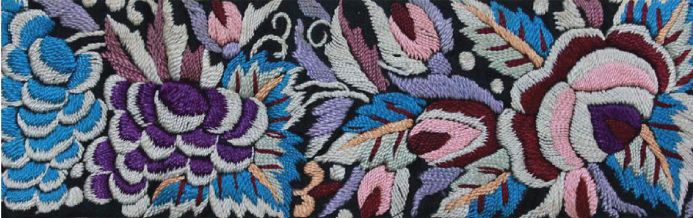
Textile Design - specially printing has its influence on major art movements in the west. It would be worthwhile to understand the movements and to recognise them so that an appreciation of existing prints and designs can be taken. Here is a brief account of the movements.
Abstract Expressionism
Freely Created Abstractions

Impressionism
Strokes of unmixed colors to give impression of reflected light.

Pop Art
It imitated the techniques of commercial art and the styles of popular culture and mass media.

Pointillism
Technique of painting with tiny dots of pure colors that would blend in the users' eyes.

Art Deco
It is marked by stylised forms and geometric designs

Art Nouveau
It is characterised by stylized natural forms and sinous outlines of objects such as leaves, vines and flowers.

Constructivism
Industrial materials were used to construct non representational objects.

Cubism
Features surfaces of geometric planes

Expressionism
Emphasise Artist's expression of inner experiences

Fauvisim
Characterised by bright and nonnatural colors and simple forms.

Futurism
Tries to express the energy and values of the machine age.

Minimalism
Emphasised extreme simplification of form and color.

Surrealism
Uses fantastic images and incongruous juxtapositions in order to represent unconscious thoughts and dreams.

Symbolism
Tried to express abstract or mystical ideas through the symbolic use of symbols.

Buy my books at Amazon.com
Abstract Expressionism
Freely Created Abstractions

Impressionism
Strokes of unmixed colors to give impression of reflected light.

Pop Art
It imitated the techniques of commercial art and the styles of popular culture and mass media.

Pointillism
Technique of painting with tiny dots of pure colors that would blend in the users' eyes.

Art Deco
It is marked by stylised forms and geometric designs

Art Nouveau
It is characterised by stylized natural forms and sinous outlines of objects such as leaves, vines and flowers.

Constructivism
Industrial materials were used to construct non representational objects.

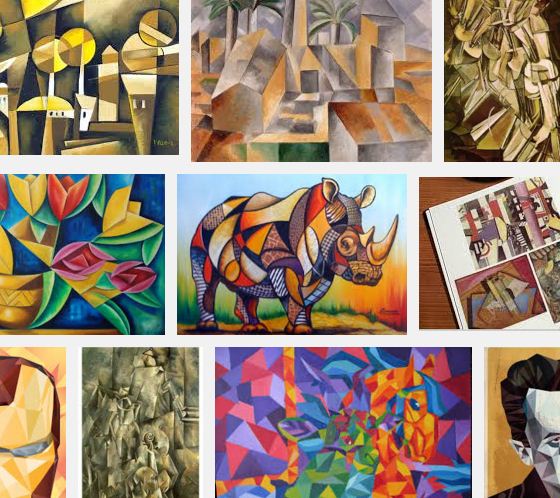
Cubism
Features surfaces of geometric planes
Expressionism
Emphasise Artist's expression of inner experiences

Fauvisim
Characterised by bright and nonnatural colors and simple forms.

Futurism
Tries to express the energy and values of the machine age.

Minimalism
Emphasised extreme simplification of form and color.

Surrealism
Uses fantastic images and incongruous juxtapositions in order to represent unconscious thoughts and dreams.

Symbolism
Tried to express abstract or mystical ideas through the symbolic use of symbols.

Buy my books at Amazon.com